Course Overviews
-
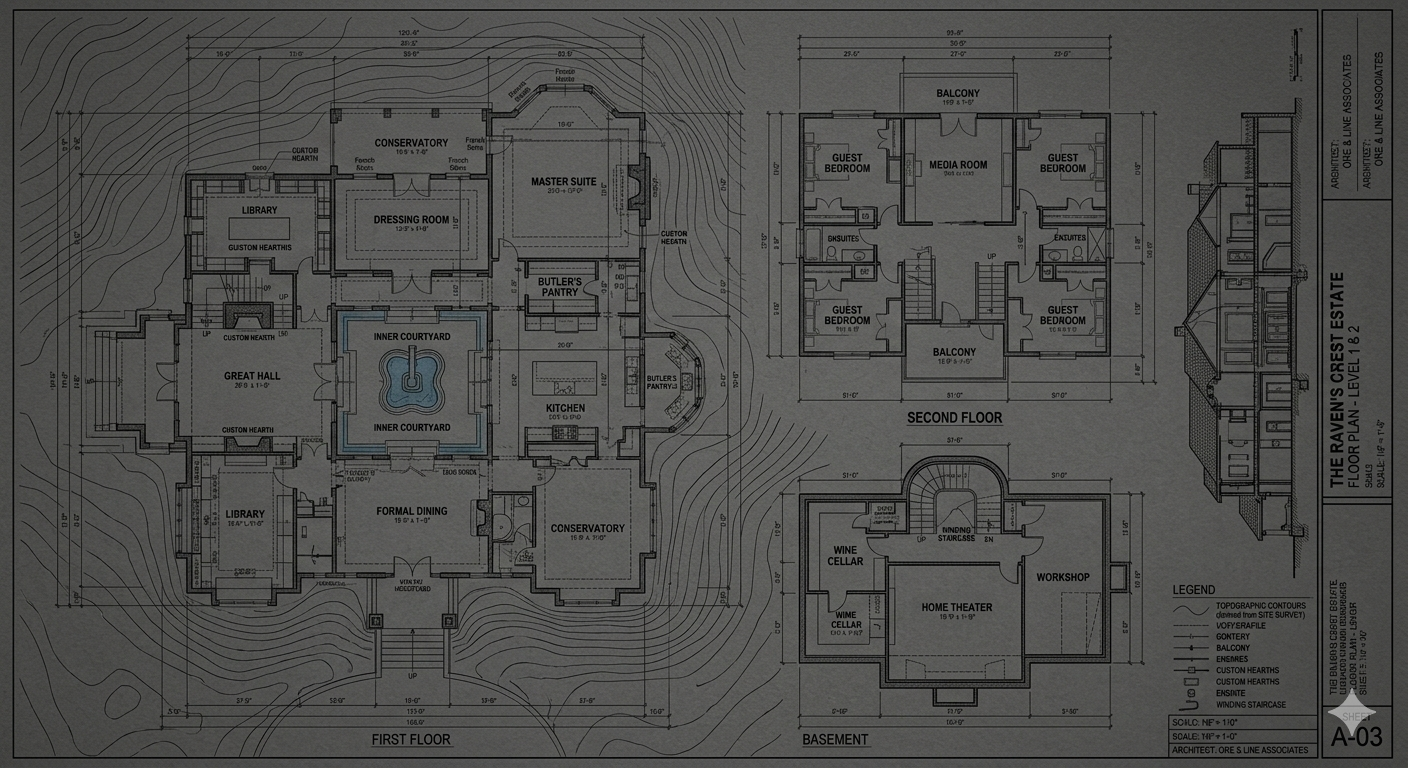
Close Quarters Battle (CQB) isn’t just “how to move and shoot.” It’s about decision-making under stress — understanding geometry, threat assessment, escalation of force, legality, and the consequences of every tactical choice. This course reframes CQB as a structured decision problem where students learn to observe, orient, decide, and act (OODA loop) in confined spaces while balancing mission goals and safety. The classroom portion emphasizes scenario analysis, threat cues, and appropriate use of lethal vs. non-lethal options.
The walkthrough portion then ties those decisions to real outcomes: marking how accuracy, timing, and posture influence both survivability and legal defensibility. Emphasis is placed on mindset, risk management, communication with team members, transition drills, and after-action critical thinking — all designed for civilians, law enforcement, and military participants seeking deeper insight into why decisions matter as much as how they are executed.
-
Rifle Fundamentals introduces students to safe and effective operation of modern sporting rifles. The course covers platform familiarity, safe handling, basic zeroing, position shooting (standing, kneeling, prone), and controlled fire fundamentals. Emphasis is placed on understanding how the rifle behaves differently than a pistol — especially in recoil dynamics, sight picture, and target engagement distances.
Classroom instruction demystifies topics like ballistics, optics selection, and range safety rules. On the range, students perform drills that build precision and consistency, learn basic malfunction resolution, and practice transitions between positions. This course prepares participants for further rifle-oriented training or responsible rifle ownership.
-
This Pistol Fundamentals course lays the foundation for safe and competent handgun ownership. Students learn proper grip, sight alignment, trigger control, and stance. The curriculum addresses how to manage recoil, engage multiple targets, and conduct basic malfunction clearing — all grounded in safety protocols to minimize risk. Emphasis is on confidence, consistency, and responsibility with the pistol platform.
Classroom segments focus on fundamentals of marksmanship, legal considerations for use of force, and mindset for defensive handgun use. The range segments reinforce these lessons through progressive live-fire drills, engaging students at their own pace while building accuracy, control, and range etiquette.
-
Fighting Rifle builds on Rifle Fundamentals by introducing more advanced handling and engagement skills suited for dynamic environments. Topics include controlled pairs, moving and shooting, positional transitions, and shooting on the move. Students explore how to manage recoil in rapid strings and how to reacquire targets efficiently.
Classroom discussions cover threat assessment at varying distances, cover vs concealment, and team movement basics. Range exercises challenge students with timed drills, multiple target engagements, and stress-inoculation habits that enhance both motor skills and decision-making quality.
-
The CCW Essentials course focuses on the real-world skills and judgment needed when carrying a firearm for personal defense. Classroom time explores situational awareness, avoidance strategies, legal use-of-force frameworks, and post-incident considerations. Students learn how to recognize threats early and how to make decisions under stress in a way that is legally defensible.
Range and dry-fire components concentrate on drawing from concealment, movement with a loaded firearm, and basic accuracy under increasing stress. Practical drills simulate common defensive scenarios to build confidence without sacrificing safety.